

"*" indicates required fields
The Kitchens
Bringing Heritage Home
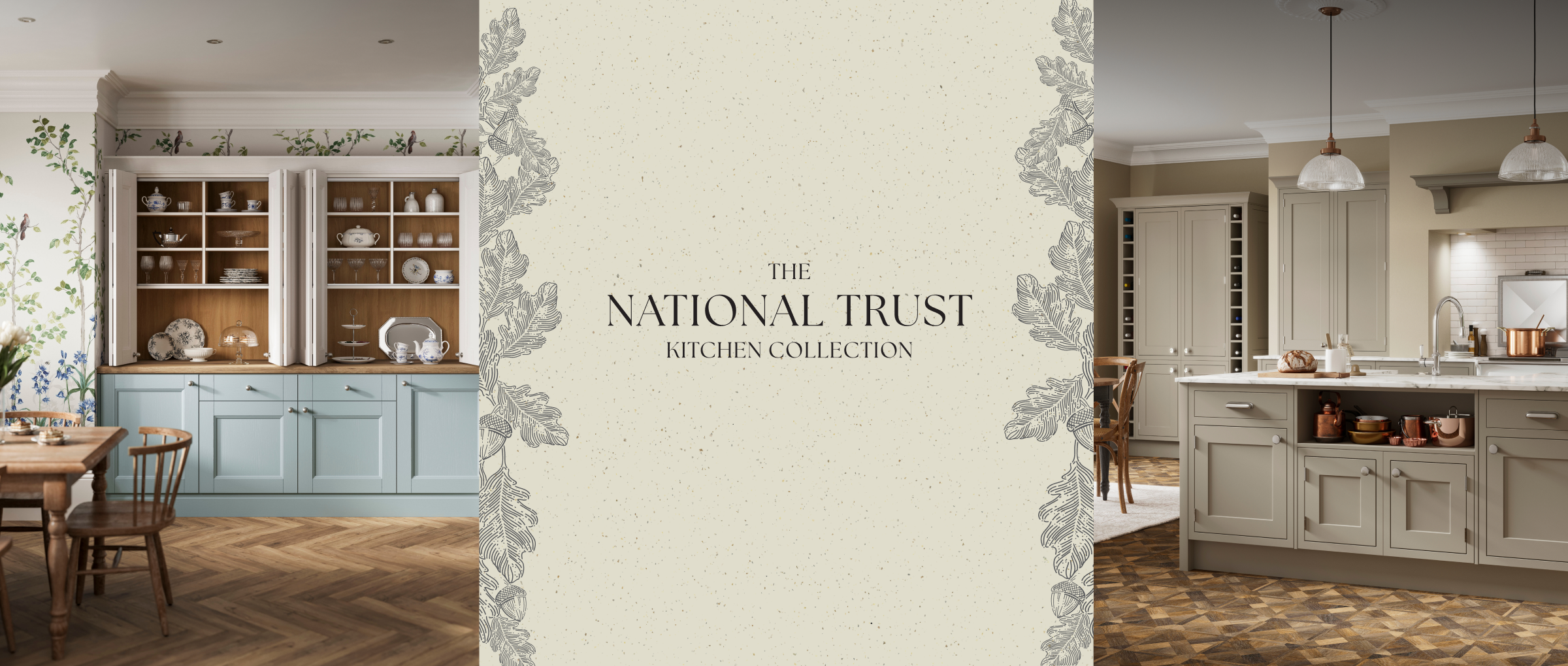
Inspired by the architecture and surroundings of eight historic properties, the National Trust Kitchen Collection captures elegant proportions, heritage colours and timeless detailing.
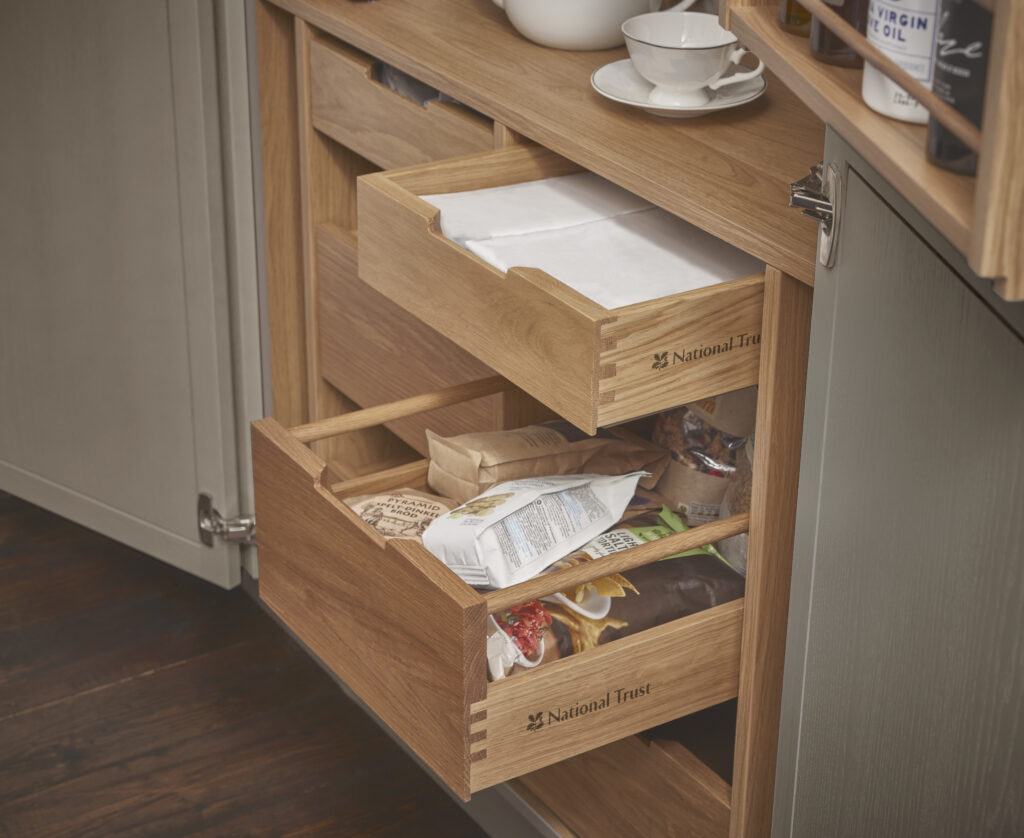
Every hand-finished kitchen is crafted by Symphony, a proud British manufacturer of exceptional quality kitchens. Quality is matched by a commitment to sustainability – from responsibly sourced wood to the highest ethical standards.
Each hand-finished kitchen carries the Oak Leaf mark: a symbol of authenticity and a tribute to the National Trust’s legacy of protecting our heritage for generations to come.

ViewOur Brochure
The National Trust Kitchen Collection – beautifully made, sustainably crafted, and designed to be cherished.

Kitchen Garden
The Blicking
Sitting at the heart of a magnificent garden and historic park, Blickling Hall is a striking Jacobean mansion surrounded by ancient yew hedges.
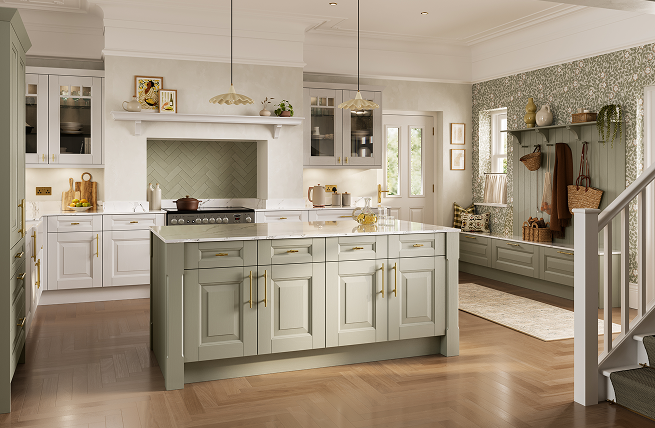
The Dysart
Ham House, the inspiration behind The Dysart kitchen, was built in 1610 and leased by King Charles I to William Murray. In 1643 Murray was created 1st Earl of Dysart, the title that would remain associated with Ham House for generations.

Arts & Crafts
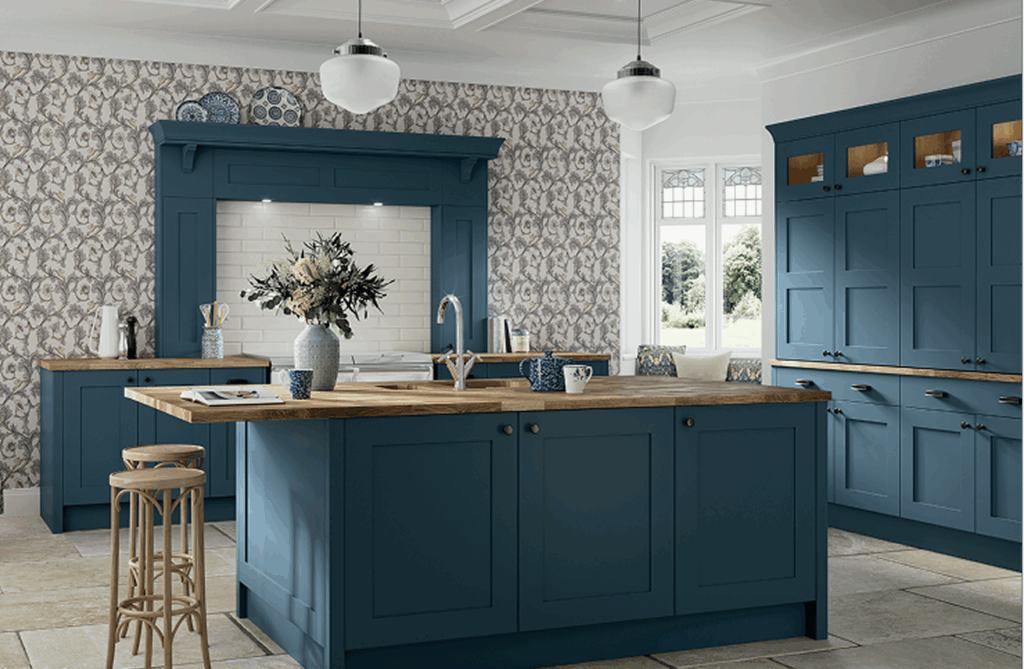
The Standen
In an idyllic location with views across the Sussex countryside, Standen House was designed to look as though it has always existed, almost as if it had grown out of the rockface.
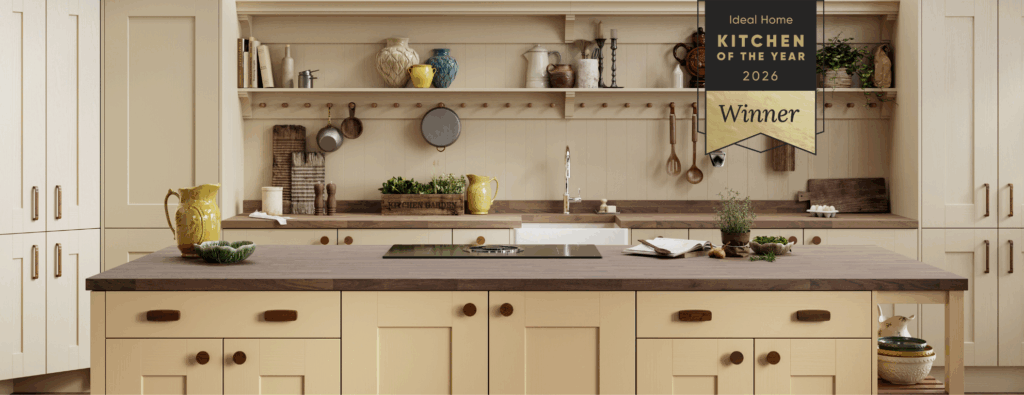
The Coleton
Coleton Fishacre in Kingswear, Devon, is an evocative 1920s country retreat built in the Arts & Crafts style. The country home of the D’Oyly family, it was designed by architect Oswald Milne.

Country House
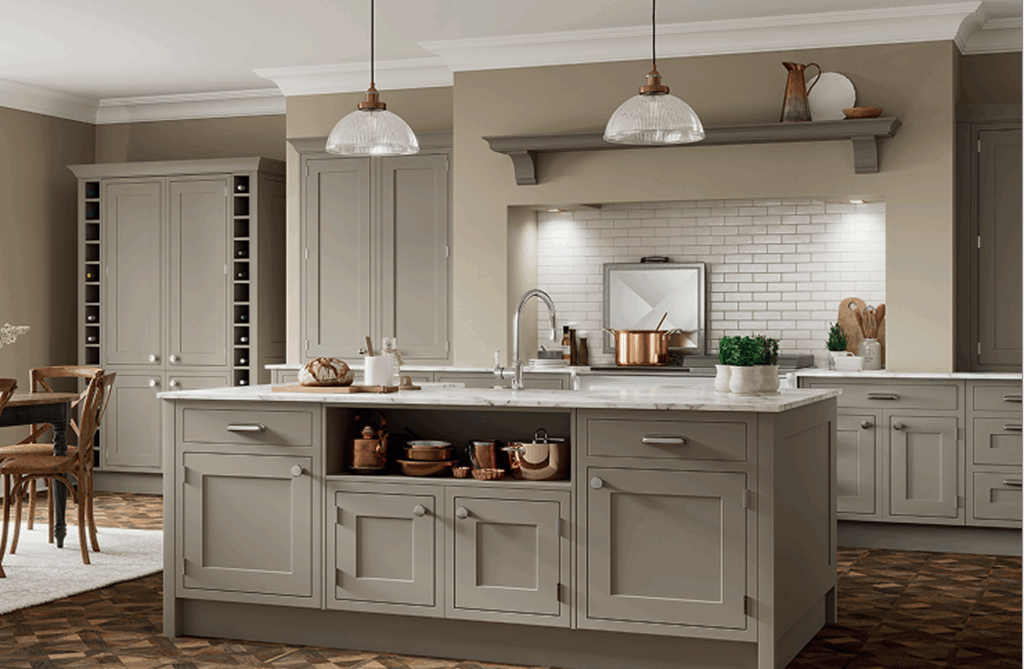
The Leconfield
Petworth House, the inspiration behind The Leconfield, was rebuilt between 1688 and 1702 for the 6th Duke and Duchess of Somerset in the style of the great palaces of Europe.
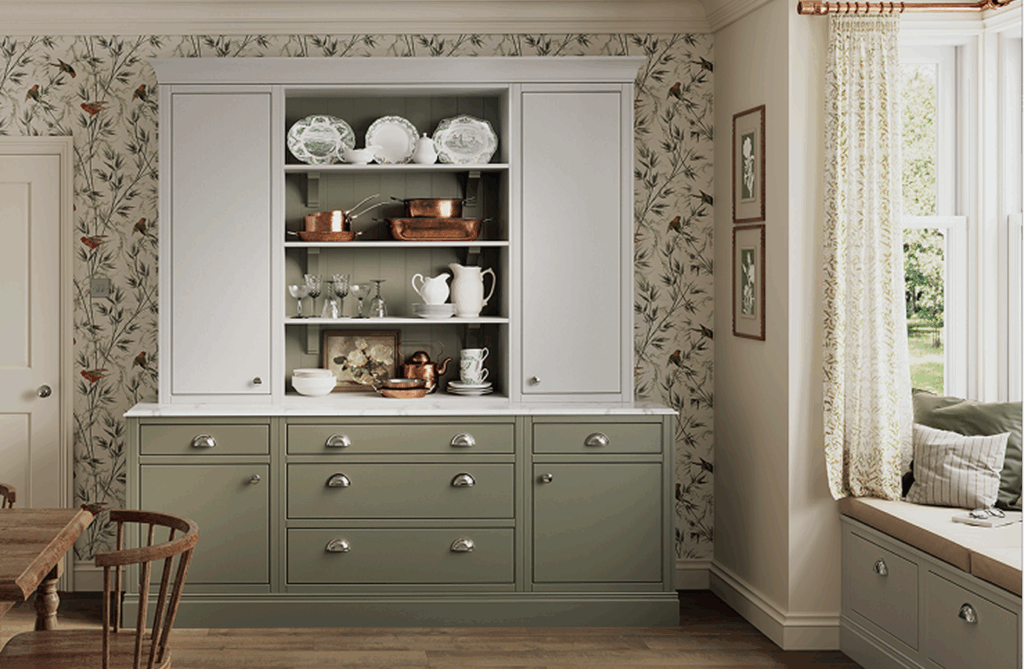
The Attingham
An imposing Georgian mansion, Attingham Hall in Shrewsbury was built to impress. Commissioned in 1782 for Noel Hill, 1st Lord Berwick, it was owned by one family for more than 160 years.
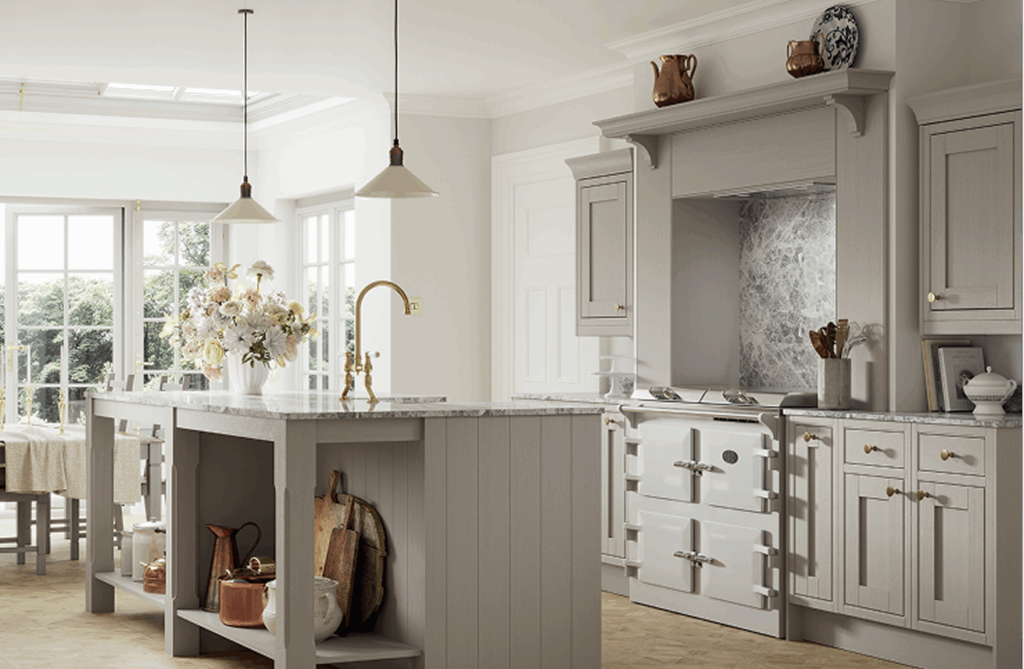
The Uppark
The tranquil 17th-century Uppark House, set within intimate gardens and woodland in Petersfield, West Sussex, holds a complex historical history behind its elegant façade.
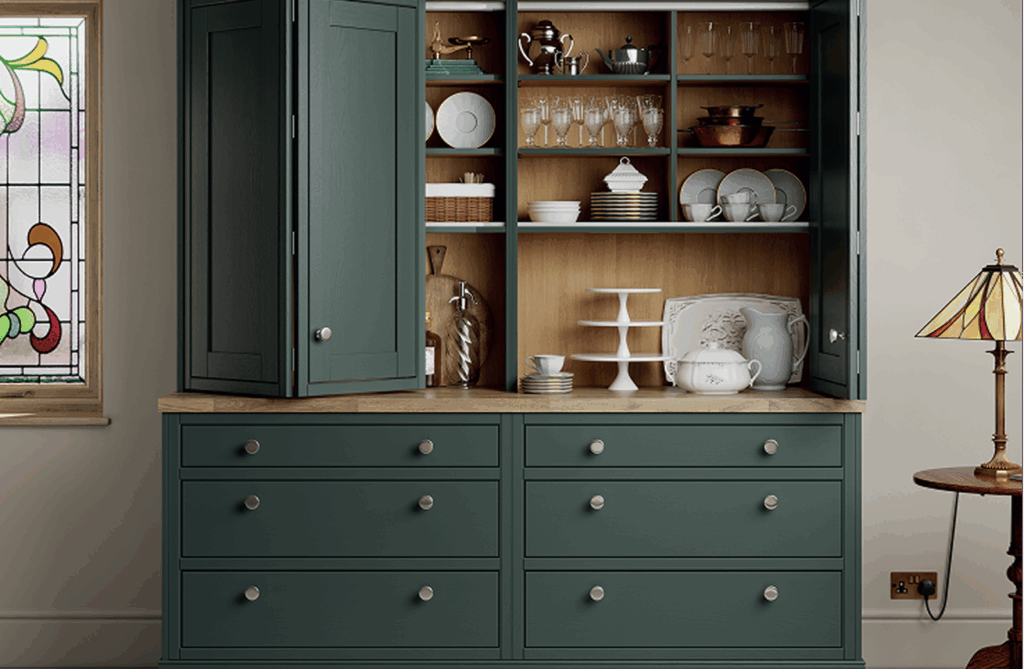
The Erddig
Set in a haven of peace and natural beauty, above the winding River Clywedog near Wrexham, Erddig Hall offers a fascinating insight into a notable family’s relationship with its servants.
Who we are &What we stand for
Fine British kitchens sustainably made by Symphony on behalf of the National Trust.
The National Trust protects and cares for places so people and nature can thrive. From coastlines and countryside to historic sites and buildings, the conservation charity looks after them for the benefit of everyone.
Symphony is committed to running a sustainable business. It proudly and meticulously crafts kitchens at its Yorkshire facility. Each kitchen uses FSC®-certified timber from responsibly managed forests and controlled sources. Recycled materials are used throughout the manufacturing process, and only eco-friendly, water-based paints are applied to every finish.
Symphony earned the South Yorkshire Sustainability Award in both 2024 and 2025 and is proudly committed to achieving Net Zero Carbon by 2050.
The National Trust Kitchen Collection – beautifully made, sustainably crafted, and designed to be cherished.
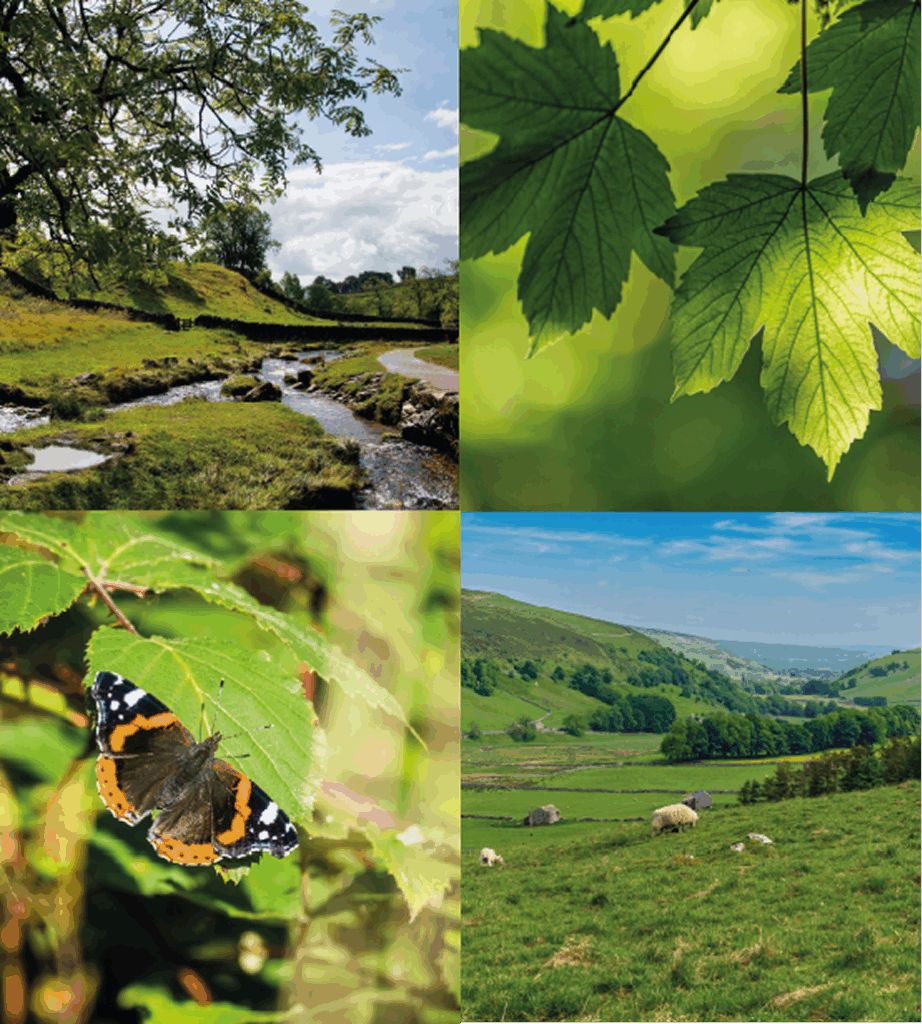
Through sales of the National Trust Kitchen Collection, a minimum of £50,000 will be given to the National Trust to support their woodland management work such as Hardcastle Crags in West Yorkshire.

Contact Us
Fill in the form below and we we'll be in touch to discuss your request.
"*" indicates required fields
Standard Colours
Our range of on-trend colour finishes
Paint to Order Colours
Find the perfect colour scheme with our choice of on trend finishes
Anthracite
Black
Bottle Green
Caramel
Carmine Red
Cashmere
Chalk White
Clay
Dusky Pink
Fern Green
French Grey
Harbour
Hessian
Hunter Green
Indigo
Midnight Blue
Pearl Grey
Platinum
Providence Blue
Sage
Stone
Willow
Paint to Order Colours
Find the perfect colour scheme with our choice of on trend finishes
Chalk White
Harbour
Cashmere
Stone
Clay
Platinum
Pearl Grey
Providence Blue
Sage
Fern Green
Dusky Pink
Willow
Paint to Order Colours
Find the perfect colour scheme with our choice of on trend finishes
Chalk White
Harbour
Platinum
Pearl Grey
Stone
Sage*
Fern Green
French Grey*
Providence Blue
Cashmere
Dusky Pink
Ivy
*Please note these paint colours are not a match to the Laura Ashley paint colours of the same name.
Brochure Request
Ask us a Question
Please complete your details so our retailer can get in touch